| Availability: | |
|---|---|
| Quantity: | |
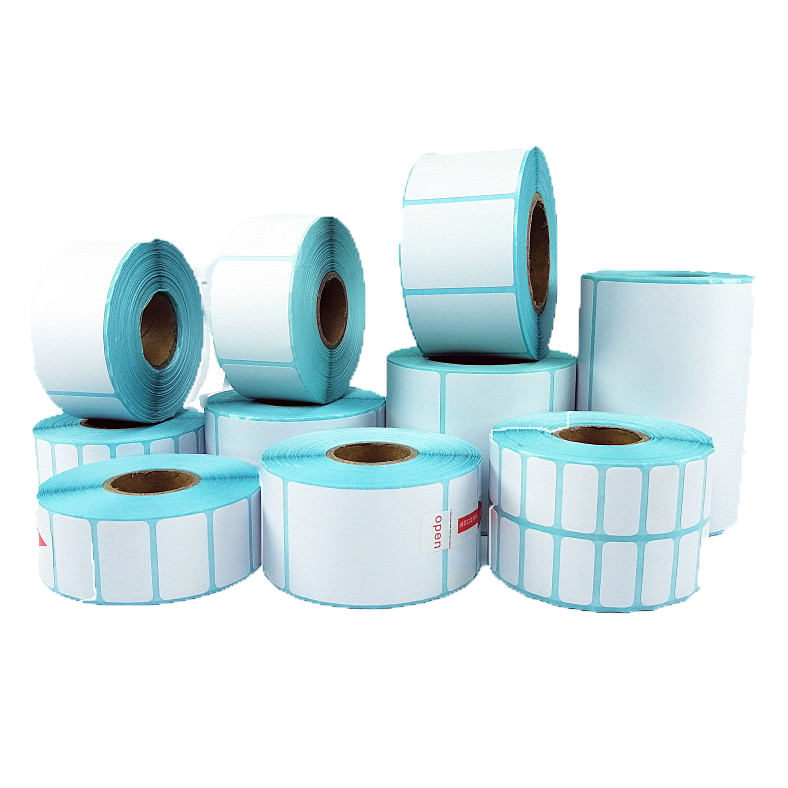
Thermal labels use heat to create an image. Thermal transfer uses a thermal ribbon where heat from the printhead releases the ribbon attaching it to the label surface. Direct thermal images are created when heat from the printhead causes components on the label surface to mix causing them to (usually) turn black.
A label is a label right? Wrong. Each of the thousands of different materials used in thermal printing has its own unique set of features that must be considered to ensure optimal performance in its intended application—not to mention in the specific printer in which it will be used.
Sacrificing consistency for price is risky, because unscannable barcodes must be reprinted, cancelling out the intended cost savings. Workers may have to make adjustments to the printer between rolls to account for inconsistencies in the media, make more IT calls, deal with costly downtime and risk losing productivity, efficiency and customer satisfaction. And choosing printing supplies that aren’t well suited to thermal printers can cause unnecessary wear and tear on printheads, resulting in higher replacement costs.
On the other hand, the right printing supplies will help you improve operational efficiency, keep track of all your assets and optimize the customer experience. The right printing supplies will ensure brand consistency and maintain regulatory compliance. The right printing supplies will support the growth of your business—not hinder it.
Selection of the label material depends first on whether direct thermal or thermal transfer print technology is being used.
There are two types of thermal facestocks: paper and synthetic. Understanding these facestock types and qualities will be one step in helping you to determine the right label for your application.
Thermal labels use heat to create an image. Thermal transfer uses a thermal ribbon where heat from the printhead releases the ribbon attaching it to the label surface. Direct thermal images are created when heat from the printhead causes components on the label surface to mix causing them to (usually) turn black.
A label is a label right? Wrong. Each of the thousands of different materials used in thermal printing has its own unique set of features that must be considered to ensure optimal performance in its intended application—not to mention in the specific printer in which it will be used.
Sacrificing consistency for price is risky, because unscannable barcodes must be reprinted, cancelling out the intended cost savings. Workers may have to make adjustments to the printer between rolls to account for inconsistencies in the media, make more IT calls, deal with costly downtime and risk losing productivity, efficiency and customer satisfaction. And choosing printing supplies that aren’t well suited to thermal printers can cause unnecessary wear and tear on printheads, resulting in higher replacement costs.
On the other hand, the right printing supplies will help you improve operational efficiency, keep track of all your assets and optimize the customer experience. The right printing supplies will ensure brand consistency and maintain regulatory compliance. The right printing supplies will support the growth of your business—not hinder it.
Selection of the label material depends first on whether direct thermal or thermal transfer print technology is being used.
There are two types of thermal facestocks: paper and synthetic. Understanding these facestock types and qualities will be one step in helping you to determine the right label for your application.
Mateial | Cooper Paper, Vinyl, PET, PE, PVC, PP, Synthetic Paper(BOPP),thermal paper |
Colors | CMYK, PMS(Pantone) |
OEM ODM | Accept |
Finishing | Matte/Gloss Coating or Lamination, Foil stamping, Embossed, Debossed, UV Coating etc. |
Artwork | PDF, AI, PSD, CDR etc |
Shape Design | Customized as per requirement |
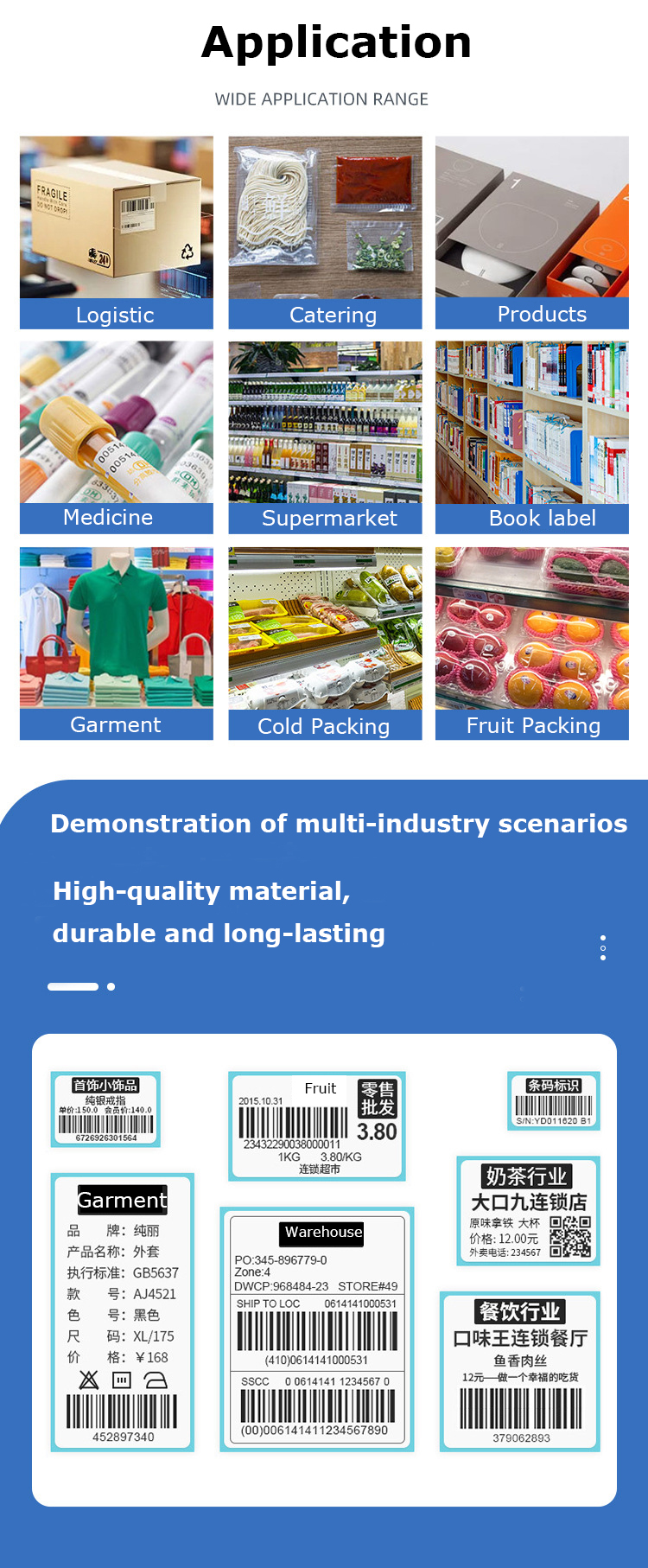
Application | Paper package, Mark and sign, can be widely used on anything. |
Printing | High-speed offsetting printing machine, High-speed Flexo printing machine |
Feature | Waterproof, Oilproof, UVproof, Strong adhesive, Moisture proof, Dust proof, |
Certificate | ISO, SGS, ROHS, SDS, UL |
Terms | EXW, FCA,FAS,FOB,CFR,CIF,CIP,DAF,DES,DEQ,DDU,DDP |
Packing | In Roll or Sheet with OPP Bag,then pack in carton.or requested. |
Sample Time | 3-7 days |
Place of origin | Jiangsu, China |
Lead Time | 7-10days (the exact should according to the order qty) |
Payment | T/T or Paypal or Western union,50% deposit by T/T and balance paid before shipment, |
Mateial | Cooper Paper, Vinyl, PET, PE, PVC, PP, Synthetic Paper(BOPP),thermal paper |
Colors | CMYK, PMS(Pantone) |
OEM ODM | Accept |
Finishing | Matte/Gloss Coating or Lamination, Foil stamping, Embossed, Debossed, UV Coating etc. |
Artwork | PDF, AI, PSD, CDR etc |
Shape Design | Customized as per requirement |
Application | Paper package, Mark and sign, can be widely used on anything. |
Printing | High-speed offsetting printing machine, High-speed Flexo printing machine |
Feature | Waterproof, Oilproof, UVproof, Strong adhesive, Moisture proof, Dust proof, |
Certificate | ISO, SGS, ROHS, SDS, UL |
Terms | EXW, FCA,FAS,FOB,CFR,CIF,CIP,DAF,DES,DEQ,DDU,DDP |
Packing | In Roll or Sheet with OPP Bag,then pack in carton.or requested. |
Sample Time | 3-7 days |
Place of origin | Jiangsu, China |
Lead Time | 7-10days (the exact should according to the order qty) |
Payment | T/T or Paypal or Western union,50% deposit by T/T and balance paid before shipment, |
How long will thermal labels last?
around six to eight months
Because it uses heat-sensitive materials, direct thermal labels do not have a long shelf-life, usually lasting around six to eight months. They have a tendency to scratch easily, and overexposure to direct sunlight or high temperatures will cause the print to fade faster.
How long can thermal paper last?
If given the correct storage conditions, most thermal paper can be stored for up to three years before being printed on. Why does thermal paper have a shorter shelflife than bond paper? The reason for the shorter lifespan of thermal paper is due to the chemical makeup of the thermal paper itself.
How do you make thermal labels last longer?
You need to avoid direct sunlight or any UV light exposure. Thermal printer paper can degrade quickly when exposed to UV light, so make sure you store it in a dark and cool place to ensure its longevity. Also, keep away from fluorescent lights, which can cause fading and discoloration over time.
Is thermal paper reusable?
The BPA and other phenols found in thermal paper aren't removed during the recycling process. This means they'll eventually find their way into the newly-recycled paper or recycled products. Since BPA and other phenols are harmful to the body, recycling and reusing it is just as harmful.
How do you store thermal labels?
Store in a cool, dry place: Direct thermal labels shouldn't be in environments with excessive heat and humidity. Exposure to these elements can degrade the label's coating and reduce print quality. Protect against sunlight: Prolonged exposure to direct sunlight can fade the labels and reduce their readability.
Do thermal labels need ink?
A direct thermal printer prints by applying heat to the material. It does not use any ribbon, ink or toner, but it requires a special type of heat-sensitive material that blackens when heat is applied. Because the label material is heat sensitive, it fades and the label can become hard to read and scan over time.
How long will thermal labels last?
around six to eight months
Because it uses heat-sensitive materials, direct thermal labels do not have a long shelf-life, usually lasting around six to eight months. They have a tendency to scratch easily, and overexposure to direct sunlight or high temperatures will cause the print to fade faster.
How long can thermal paper last?
If given the correct storage conditions, most thermal paper can be stored for up to three years before being printed on. Why does thermal paper have a shorter shelflife than bond paper? The reason for the shorter lifespan of thermal paper is due to the chemical makeup of the thermal paper itself.
How do you make thermal labels last longer?
You need to avoid direct sunlight or any UV light exposure. Thermal printer paper can degrade quickly when exposed to UV light, so make sure you store it in a dark and cool place to ensure its longevity. Also, keep away from fluorescent lights, which can cause fading and discoloration over time.
Is thermal paper reusable?
The BPA and other phenols found in thermal paper aren't removed during the recycling process. This means they'll eventually find their way into the newly-recycled paper or recycled products. Since BPA and other phenols are harmful to the body, recycling and reusing it is just as harmful.
How do you store thermal labels?
Store in a cool, dry place: Direct thermal labels shouldn't be in environments with excessive heat and humidity. Exposure to these elements can degrade the label's coating and reduce print quality. Protect against sunlight: Prolonged exposure to direct sunlight can fade the labels and reduce their readability.
Do thermal labels need ink?
A direct thermal printer prints by applying heat to the material. It does not use any ribbon, ink or toner, but it requires a special type of heat-sensitive material that blackens when heat is applied. Because the label material is heat sensitive, it fades and the label can become hard to read and scan over time.